 Foundation Repair Portland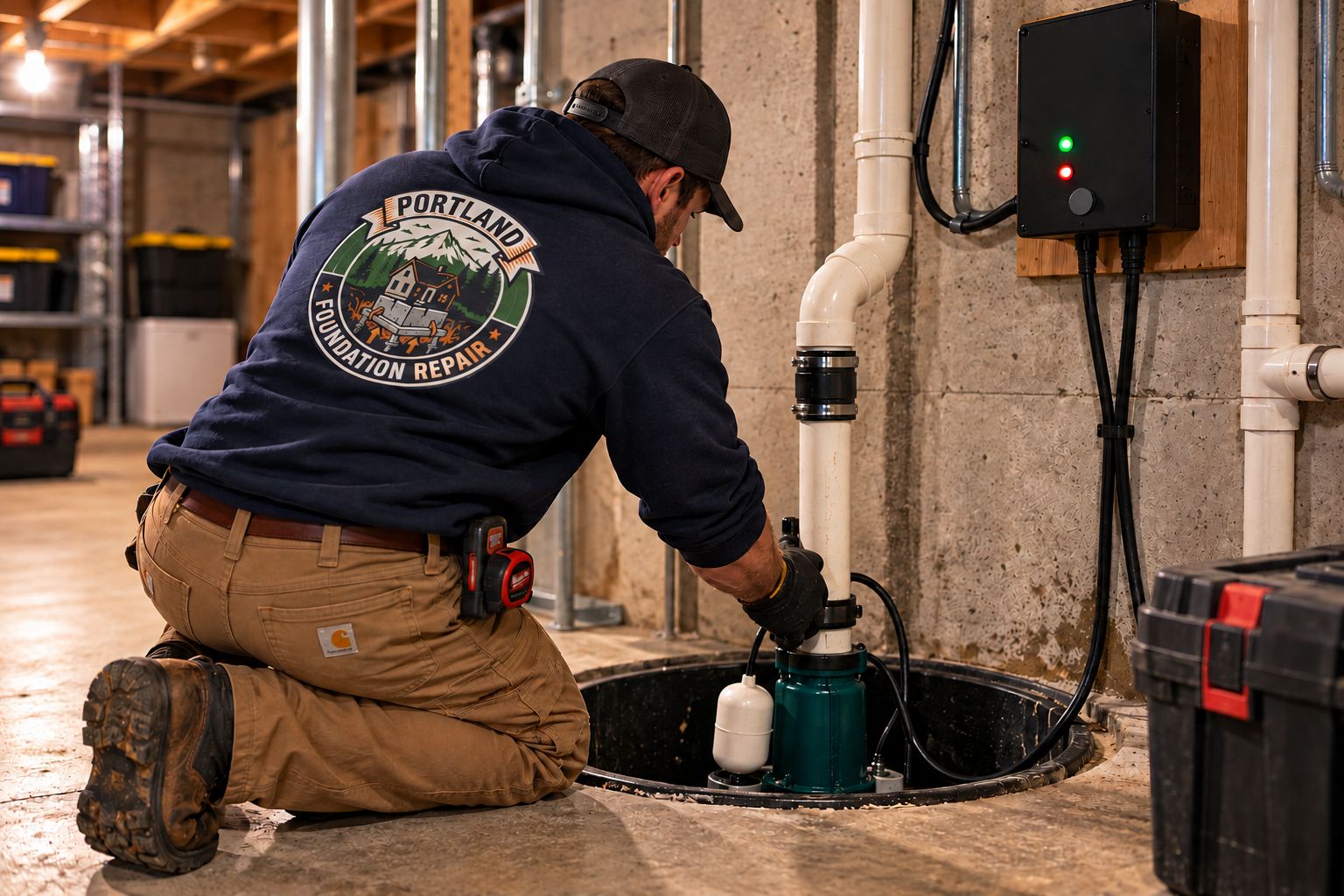
Basement Drainage Systems
Sump Pump Installation in Portland
Plan for below-grade water with a sump system suited to your home. Get a Free Estimate
- Free Estimates
- No Obligation
Sump Pumps for Basement and Foundation Protection
A sump pump collects water in a basin and moves it to an appropriate discharge point. For homes that experience recurring water accumulation, a properly designed system can be an important part of basement or foundation water management. It is not a universal fix, however, and the reason water is collecting should be understood before equipment is selected.
In Portland, seasonal rain and site drainage can make below-grade water management an important consideration. Installation planning should account for the volume and source of water, the basin location, pump capacity, discharge routing, electrical supply, and any applicable code requirements. We help homeowners understand these components and how a sump system may fit into a wider waterproofing plan.
Service Areas
Foundation Repair Portland Is Proud to Serve Portland
Options
Components of a Sump Pump System
The right system includes more than a pump. Reliable performance depends on proper collection, suitable equipment, safe discharge, and an understanding of what happens if power fails or the pump cannot keep up with incoming water.
Sump Basin
The basin receives water from the drainage system and provides space for the pump to operate. Location, size, access, and the surrounding construction affect installation requirements.
Pump Selection
Pump type and capacity should suit the expected water volume, vertical lift, discharge route, and operating conditions. A pump that is poorly matched to the system may cycle excessively or struggle during heavy inflow.
Drainage Collection
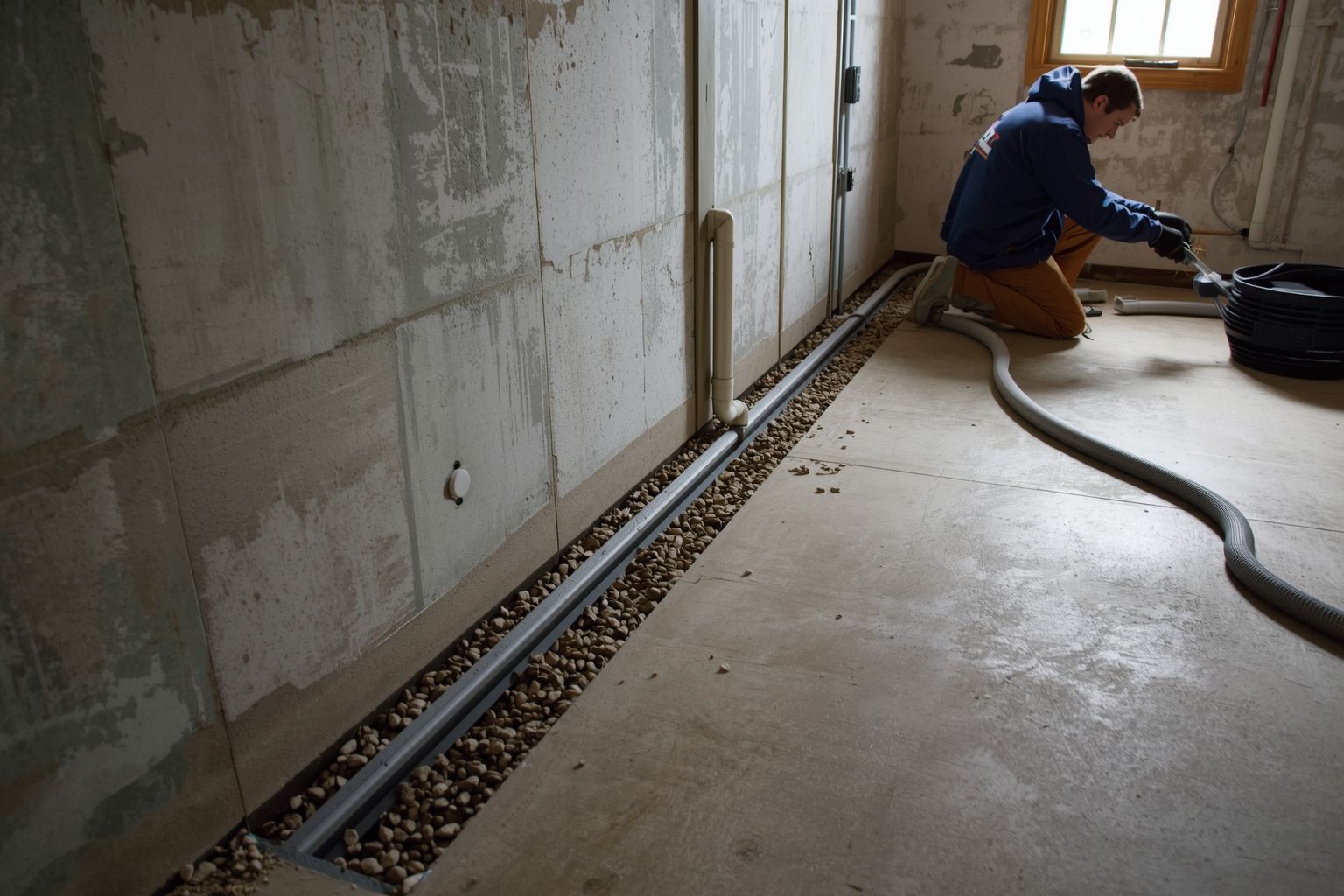
Depending on the property, the basin may receive water from an existing drainage channel or a newly installed collection system. The collection layout should be designed around the actual water pathway.
Discharge Piping
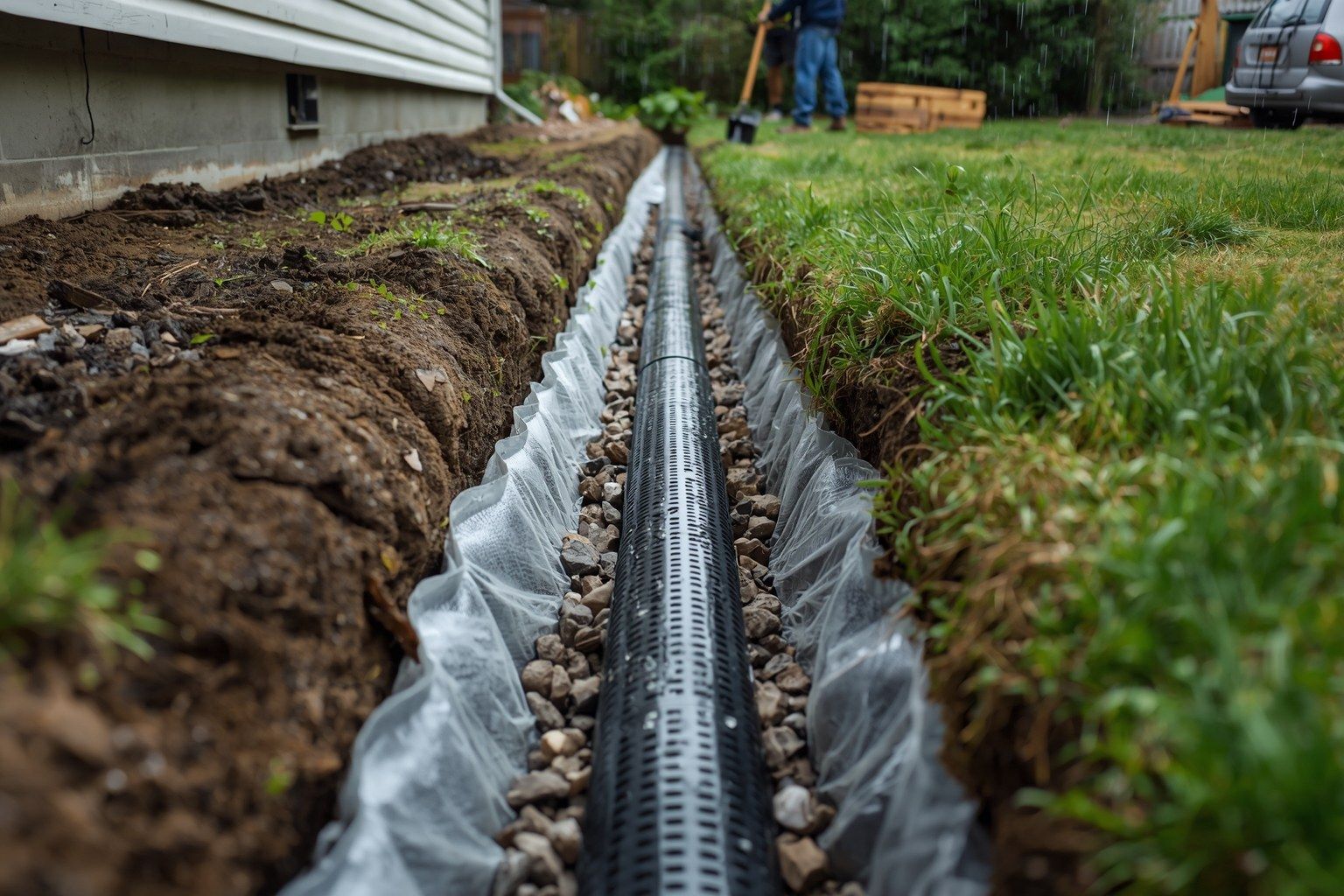
Water must be routed to an appropriate discharge point in accordance with local requirements. The route should avoid creating a new drainage problem near the foundation or neighboring property.
Backup and Maintenance Planning
Battery backup, alarms, or other backup arrangements may be useful where loss of power or pump failure presents a concern. Regular inspection and testing help identify problems before the system is needed.
Cost Factors
Planning for Sump Pump Installation Cost
| Service | Estimated Cost | Average |
|---|---|---|
| Replacement of an accessible pump | Requires equipment assessment | Varies by pump specification |
| New sump basin and pump | Requires site assessment | Varies by excavation and access |
| Drainage system with sump pump | Requires system design | Varies by drainage layout |
| Backup equipment or alarm | Requires system assessment | Varies by backup type and capacity |
These categories are not quoted prices or verified market averages. Basin excavation, pump specifications, electrical work, discharge routing, drainage connections, and restoration can significantly affect the cost.
Why Choose Us
Why Choose Us for Sump Pump Installation?
Choose equipment for the conditions
We consider expected inflow, lift height, discharge routing, and the intended use of the system before discussing pump options.
Plan safe discharge
The water needs a suitable destination that complies with applicable requirements and does not simply return to the foundation.
Consider backup needs
We discuss whether an alarm, backup pump, or alternate power arrangement is appropriate for the site's risk and operating conditions.
Make maintenance understandable
We explain routine inspection and testing considerations so homeowners know how to check their system and recognize potential problems.
Contact Us Today for a Free Estimate
Ask whether a sump pump fits your home's drainage needs and what installation would involve.
Free, no obligations
How It Works
Our Sump Pump Installation Process
1. Review the water history
Describe where water collects, how often it occurs, and whether a drainage system or sump basin is already present.
2. Assess the collection and discharge route
Review the proposed basin location, water entry points, pump requirements, available electrical arrangements, and discharge options.
3. Specify the system
Determine the suitable basin, pump, piping, controls, and optional backup equipment based on the property's conditions.
4. Install the approved components
Complete the agreed installation and coordinate any necessary electrical, plumbing, or other specialist work.
5. Review operation and upkeep
Explain system operation, testing, cleaning, and what to check if the pump cycles unusually or fails to discharge water.
Our Services