 Foundation Repair Portland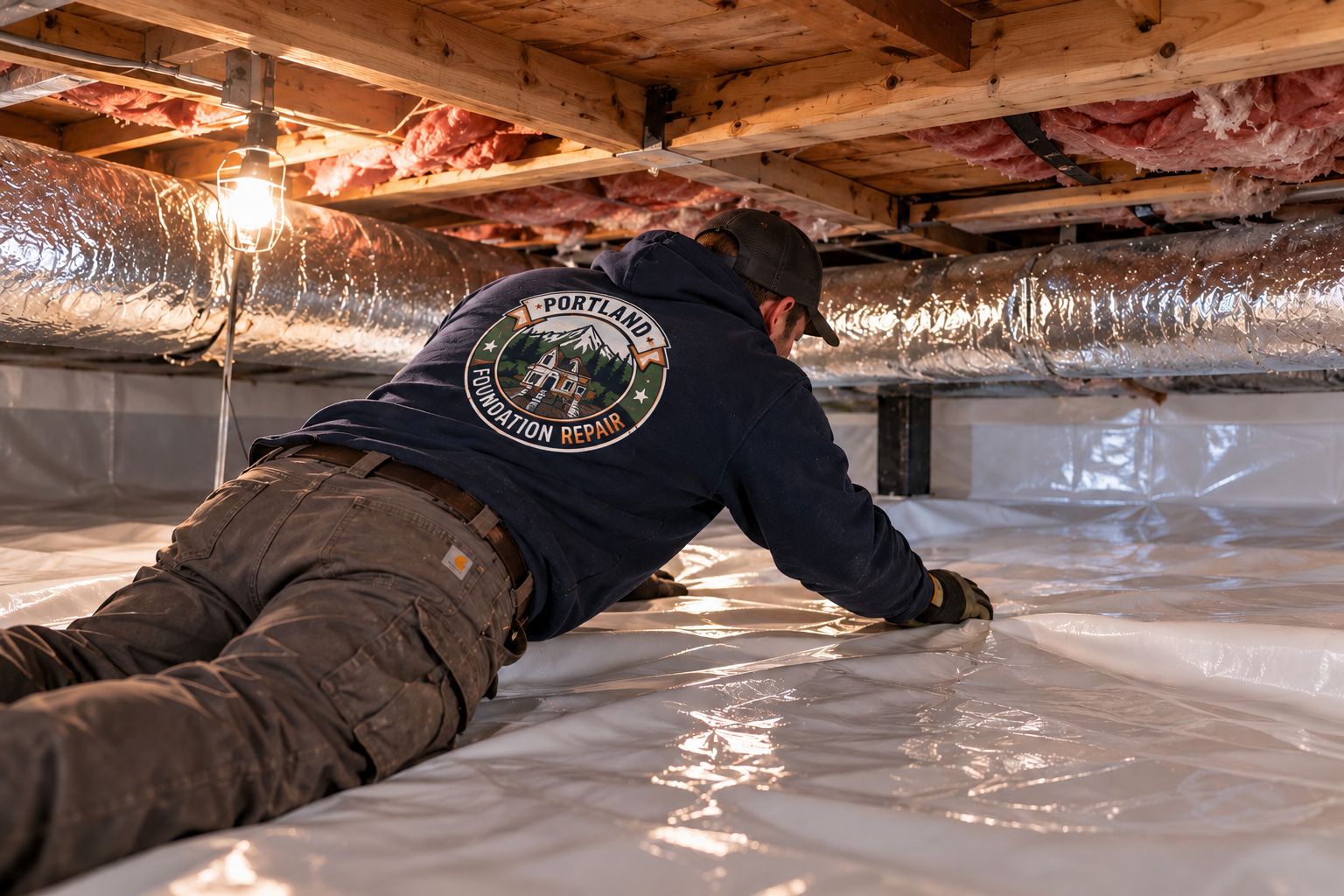
Crawl Space Moisture Control
Crawl Space Encapsulation in Portland
Dealing with damp soil or musty crawl space odors? Let's look at the source. Get a Free Estimate
- Free Estimates
- No Obligation
A Drier, Better-Managed Crawl Space
A crawl space can hold moisture long after rain has stopped. Exposed soil, leaking plumbing, poor drainage, and humid outdoor air can all contribute to damp conditions beneath a home. Over time, persistent moisture may affect susceptible wood, insulation, stored materials, and indoor comfort.
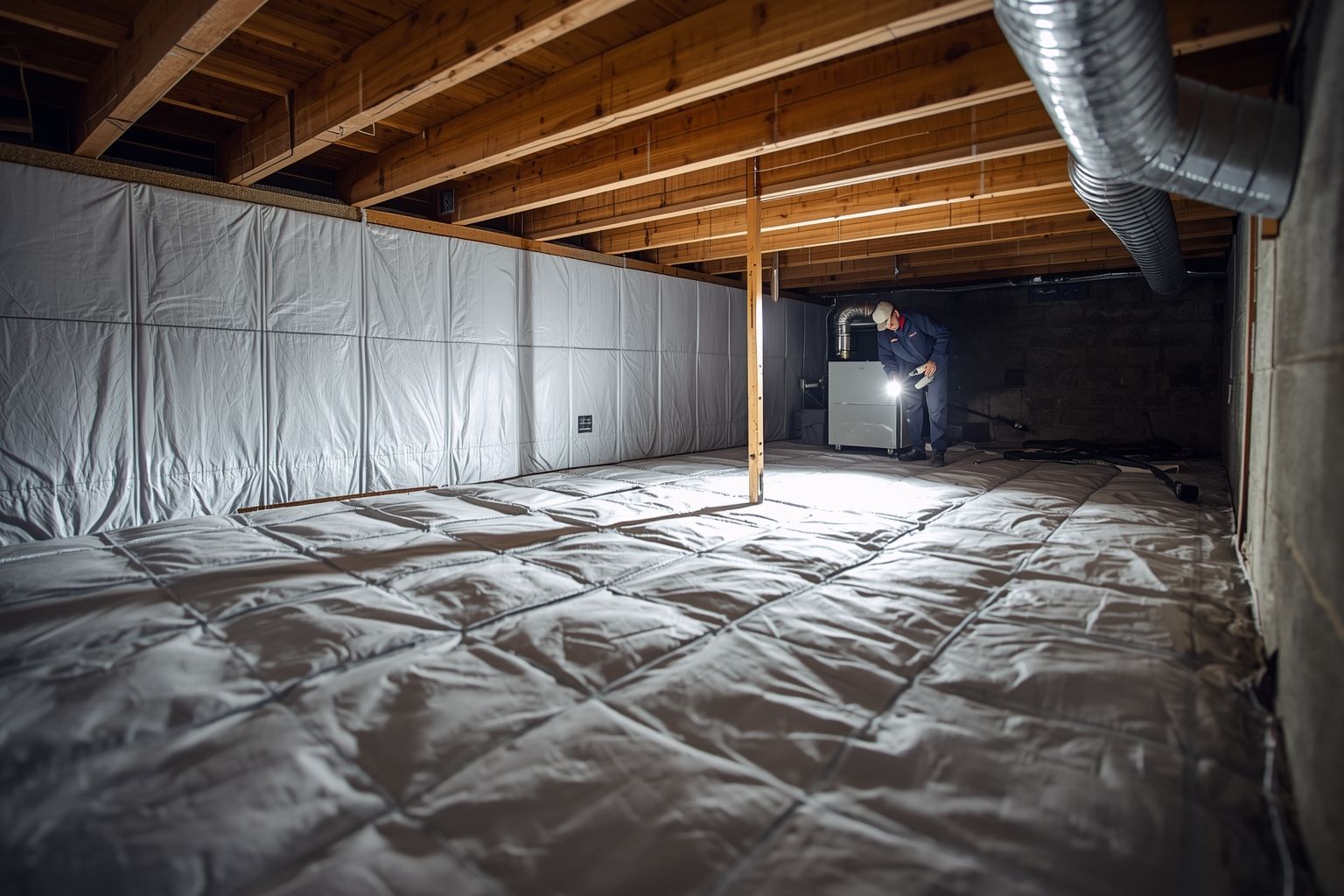
Crawl space encapsulation typically involves installing a suitable vapor barrier over the ground and, where appropriate, along foundation walls. Depending on the home, the plan may also include drainage improvements, sealing selected openings, humidity control, insulation adjustments, or a properly designed ventilation strategy. The correct combination depends on the existing construction and local requirements.
Service Areas
Foundation Repair Portland Is Proud to Serve Portland
Options
What Crawl Space Encapsulation Can Include
Encapsulation is more than laying plastic over exposed soil. A useful moisture-control plan begins with identifying water sources, checking the condition of accessible materials, and determining how the crawl space should be managed after the work is complete.
Ground Vapor Barrier
A durable ground membrane helps reduce water vapor moving from exposed soil into the crawl space. Seams, edges, penetrations, and the chosen material all matter to the finished installation.
Foundation Wall Coverage
Where suitable for the building, membrane coverage may extend onto foundation walls and be secured using an appropriate method. Existing water intrusion and wall conditions must be evaluated before covering surfaces.
Drainage and Standing Water
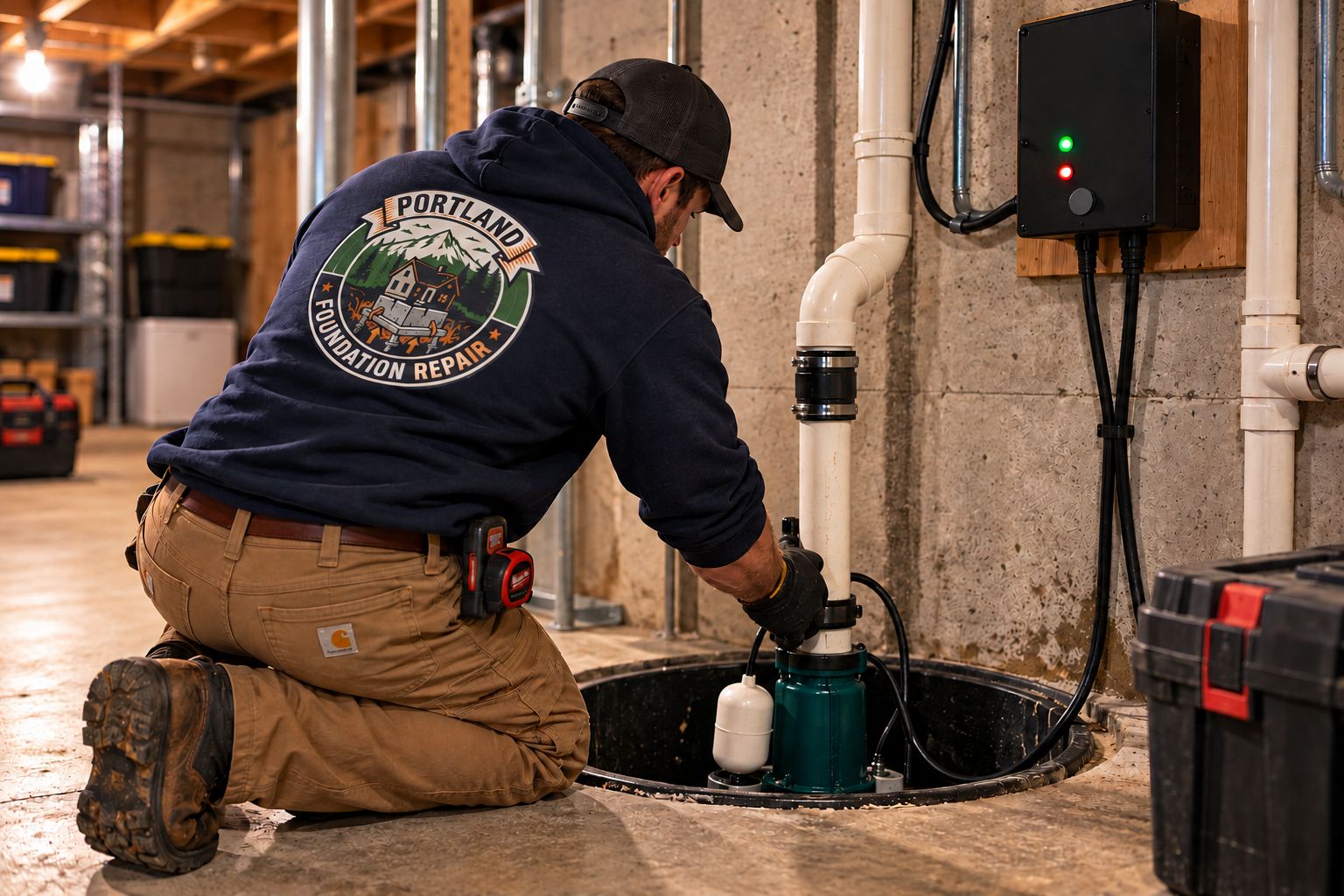
Encapsulation should not conceal an active leak or unresolved flooding. Drainage corrections, plumbing repairs, or a sump system may be necessary before or alongside the membrane installation.
Humidity Management
Some crawl spaces need mechanical dehumidification or a carefully designed ventilation approach. Equipment and airflow should suit the enclosure and applicable building requirements.
Insulation and Access Details
Existing insulation, access doors, pipes, and other penetrations should be reviewed so the completed space remains serviceable and the moisture-control system works as intended.
Cost Factors
Understanding Crawl Space Encapsulation Cost
| Service | Estimated Cost | Average |
|---|---|---|
| Ground vapor barrier | Requires site assessment | Varies by area and material |
| Full crawl space encapsulation | Requires site assessment | Varies by enclosure and preparation |
| Encapsulation with humidity control | Requires equipment assessment | Varies by system and electrical needs |
| Encapsulation with drainage work | Requires site assessment | Varies by water conditions and excavation |
No fixed price or average is implied by these categories. Crawl space size, clearance, debris, existing moisture damage, membrane specifications, drainage, insulation, and humidity-control equipment all influence the estimate.
Why Choose Us
Why Choose Us for Crawl Space Encapsulation?
Find the moisture source
We consider groundwater, plumbing, surface drainage, and soil vapor rather than assuming one product will solve every damp crawl space.
Plan for the actual enclosure
Clearance, access, foundation condition, existing insulation, and service penetrations influence the materials and installation method.
Think beyond installation day
A moisture-control system needs appropriate operation and maintenance. We explain the practical care considerations for the proposed setup.
Keep the home in mind
We discuss access, vulnerable materials, and any additional work needed before the crawl space is enclosed.
Contact Us Today for a Free Estimate
Tell us what is happening beneath your home and ask about crawl space moisture control.
Free, no obligations
How It Works
Our Crawl Space Encapsulation Process
1. Discuss the symptoms
Tell us about damp soil, odors, condensation, standing water, or concerns about insulation and wood materials.
2. Inspect accessible areas
Review the crawl space, moisture sources, drainage conditions, foundation walls, and the existing vapor barrier or insulation.
3. Plan moisture control
Determine whether a vapor barrier alone is suitable or whether drainage, plumbing repairs, humidity control, or other improvements are needed.
4. Prepare and install
Complete agreed preparation and install the specified membrane and supporting components while accounting for access and building requirements.
5. Review care and monitoring
Explain how to monitor the space, maintain any installed equipment, and respond if moisture returns.
Our Services